Proposed operating name

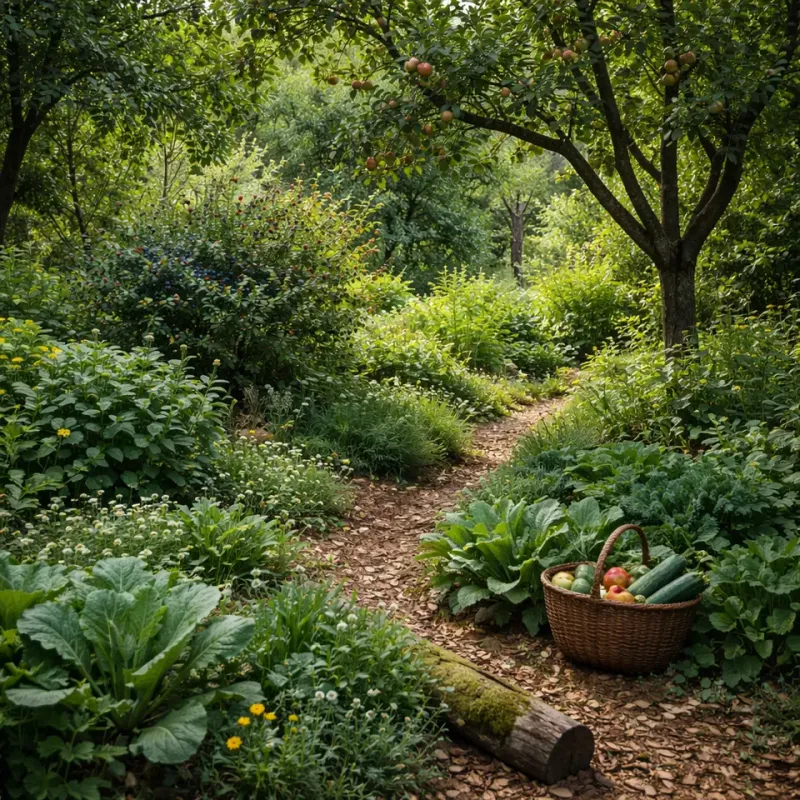
Fluxology Orchard & Food Forest

Post-property · Public launch follows biological maturity and recurring surplus

A slow, site-specific perennial system planted for household nutrition, preservation, shade, water management, pollinators and land resilience. Trees and supporting layers are established in small cohorts; sales remain a secondary consequence after survival and maturity.
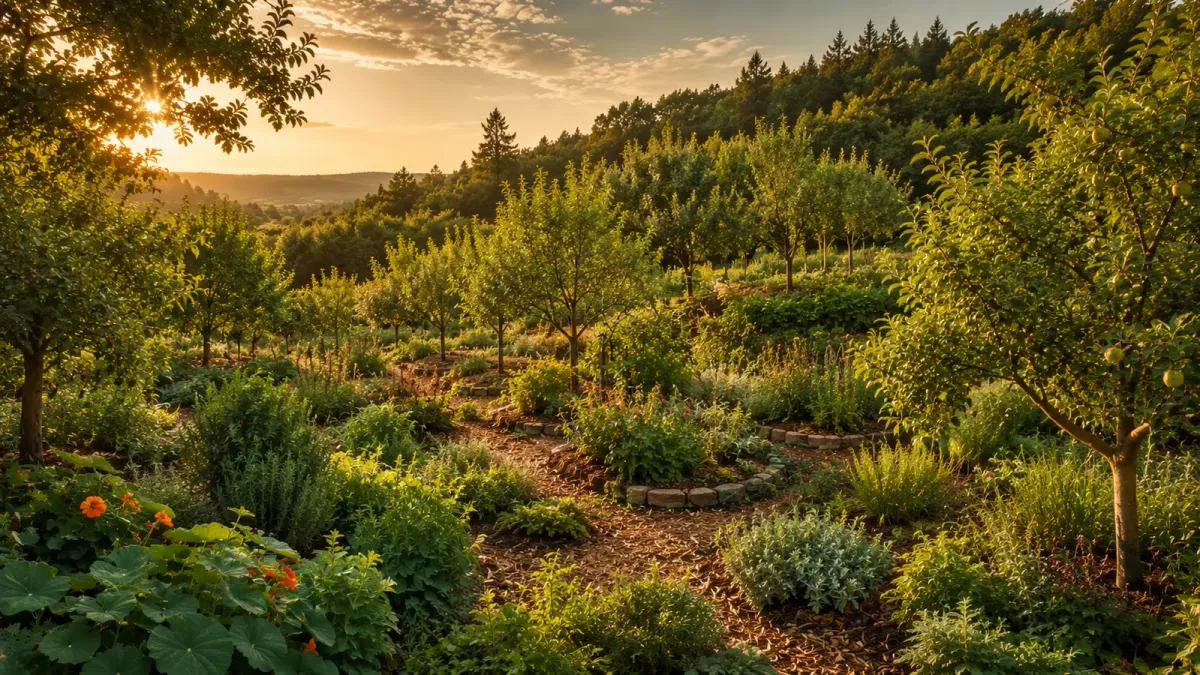
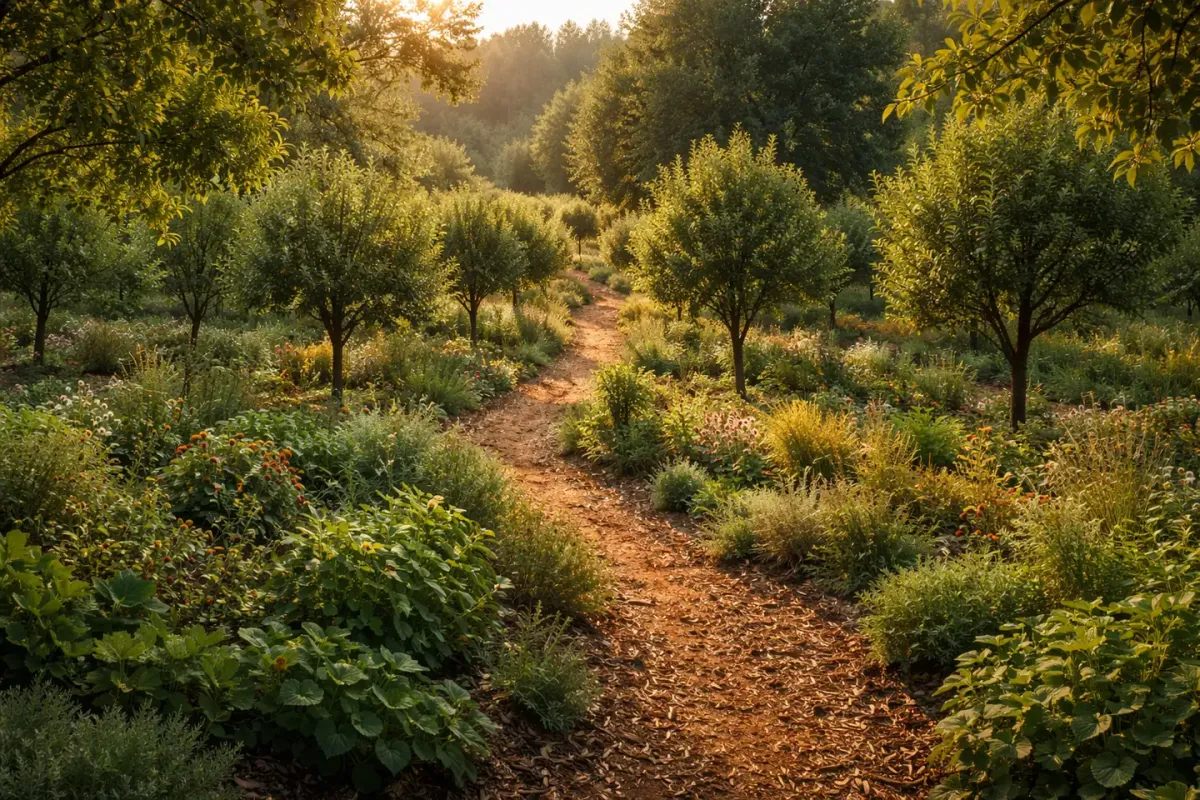
Wide food forest orchard at golden hour with layered perennial plantings
Land improvement first · revenue last

Strategic role

Land improvement first, revenue last

The orchard has the longest biological lead time and the least aggressive revenue forecast in the portfolio. Its primary return is household food, long-term resilience and a better-functioning property rather than near-term cash flow.

Early planting is still rational because trees compound slowly, but the planting remains deliberately small. Each annual cohort tests winter survival, wildlife protection, irrigation and disease pressure before the system is expanded.

01

One full site year

Sun, wind, cold-air drainage, water, wildlife and access are observed before the first permanent layout.

02

Plant in cohorts

Small trees, local cultivars, propagation and standardized protection reduce capital and replacement risk.

03

Preservation before customers

Storage and processing capacity grows before customer commitments create a harvest-time conflict.

04

Function before density

Every plant layer must improve food, biomass, pollination, water, habitat or maintenance efficiency.

Primary returnHousehold food, resilience and land improvement
Initial cohort12-25 trees plus berries and support plants
Expansion gateMore than 85% survival through winter and summer

Site and varieties

The first design task is understanding the land

Cultivar catalogues come after the property's physical limits and the household's actual use are known.

DecisionEvaluation criteria
LocationSun hours, slope, cold-air drainage, soil depth, drainage, water access, wind, wildlife pressure and equipment access
Species mixHousehold consumption, storage life, preservation, pollination, disease susceptibility, bearing age and harvest spread
Rootstock and formCold hardiness, soil fit, anchorage, mature size, pruning access and lifespan
RedundancyMultiple cultivars and harvest windows to avoid one pest, frost or storage failure eliminating the year
LabourStaggered pruning and harvest with forms reachable without specialized commercial equipment
Market fitConsidered only after household needs: local familiarity, storage, visual quality and direct-sale demand

Operating method

Perennial establishment: survival before sales

Biological feedback is slow, so design mistakes are controlled through observation, small cohorts and explicit stop conditions.

  1. 01

    Read the site

    Observe sun, frost pockets, drainage, wind, wildlife, soil and access for a full season.

  2. 02

    Prepare water & soil

    Use testing, mulch, irrigation and only site-appropriate water-spreading earthworks.

  3. 03

    Plant framework

    Establish windbreaks, canopy trees, berries, pollinator strips and functional groundcovers.

  4. 04

    Protect & train

    Install guards, stake and prune, scout disease and retain replacement stock.

  5. 05

    Allocate harvest

    Reserve household use, storage and propagation before identifying genuine surplus.

Establishment capital

Plant in cohorts and propagate

The largest savings come from small stock, local scionwood, shared irrigation, standardized guards and avoiding speculative plant orders.

01Need proven

Paid work, recurring own-use need or a measured bottleneck.

02Inspectable

Condition, service history, consumables, manuals and support can be checked.

03Price disciplined

All-in used cost remains meaningfully below a supportable new equivalent.

04Payback bounded

Base-case payback fits within 24 months or the asset waits.

UsePlanning rangeLow-cost strategy
Initial trees and shrubs$500-$1.2kBare-root or small stock, local disease-resistant cultivars and annual cohorts
Tree guards and fencing$300-$900Standardized reusable guards focused on highest-risk zones
Irrigation$250-$700Shared greenhouse main line, simple zone valves and drip
Mulch and soil amendments$150-$500Safe on-site biomass and soil-test-driven amendments
Propagation and nursery$150-$450Rooting beds, grafting materials, labels and protected holding area
Replacement reserve$150-$350Assume mortality and replant deliberately

Operating controls

Biological, water and workload controls

Low annual cash burn does not make the system low-risk; biological mistakes can take years to become visible.

01

Site-specific water design

Swales are used only where slope, infiltration, groundwater and overflow make them appropriate.

02

Wildlife protection

Perimeter strategy, guards, netting and access are designed before valuable planting expands.

03

Cohort survival gate

Expansion follows more than 85% survival through the first winter and summer, with failures diagnosed.

04

Harvest access

Paths, shade, washable totes and propagation areas are integrated with greenhouse and maintenance routes.

05

Preservation capacity

Fresh use, cold storage, freezing, drying or permitted processing are reserved before surplus routes.

06

Planting records

Maps, cultivars, rootstocks, invoices, losses, yields, allocation and sales remain traceable.

Evidence before expansion

Establishment milestones and stop conditions

The first commercial milestone is evidence of reliable household surplus without heroic labour.

  1. O1

    Site year

    At least one full season of sun, drainage, wind, wildlife and frost observation.

  2. O2

    First cohort

    A small planting is installed with irrigation, protection, labels and a map.

  3. O3

    Survival

    More than 85% survives winter and the first summer; failures are diagnosed.

  4. O4

    Household harvest

    Early-bearing berries and trees produce a reliable harvest with preservation capacity.

  5. O5

    Surplus sales

    Recurring surplus remains after storage targets, with low spoilage and manageable labour.

  6. STOP

    Pause and redesign

    If mortality, wildlife damage or owner-hour burden stays high, correct infrastructure before planting more.